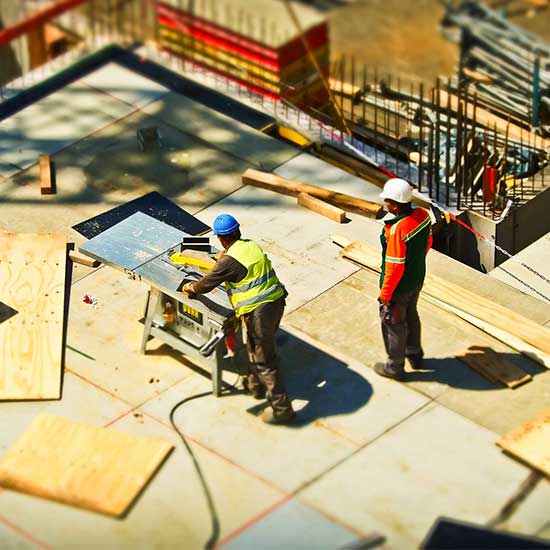
Ferrous and non-ferrous metals are of utmost importance to traders, recyclers, smelters, indenters, and metal makers. Their importance lies in the characteristics they possess such as hardness, recycling potential, inertness, and many more. Understanding the differences between ferrous and non-ferrous metals is crucial as they constitute almost everything around us.
Ferrous metals
Ferrous metals are those which contain iron. They have a high carbon content which can lead them to rust if not protected properly. However, stainless steel and wrought iron are exceptions that can resist rust over long periods. Ferrous metals are magnetic in nature, which makes them useful for applications such as motors and electrical parts.
Iron and Steel
Iron comes in two primary forms: cast iron and wrought iron. Cast iron is hard, durable, and commonly used for pipes, machines, and engines. Wrought iron, on the other hand, is close to pure iron, lacks hardness, is malleable, and is used for fencing, nails, and chains.
Steel is a combination of iron and carbon. It's highly versatile and used in utensils, sinks, electrical appliances, automobiles, and much more. Steel is known for its sharpness and durability.
Facts About Ferrous Scrap
- EPA (Environment Protection Agency) approximated 67.1% ferrous scrap through recycling from durable goods, contributing significantly to sustainable resource management.
- Ferrous scrap is one of the most recycled materials globally, with high recycling rates across various industries.
- The recycling of ferrous metals saves energy and reduces the environmental impact of mining operations.


Leave a Reply
Your email address will not be published. Required fields are marked *